'Don't take us to a hospital': Iran protesters treated in secret to avoid arrest
"People helped us and we got into a car... I said, 'Don't take us to a hospital.'"
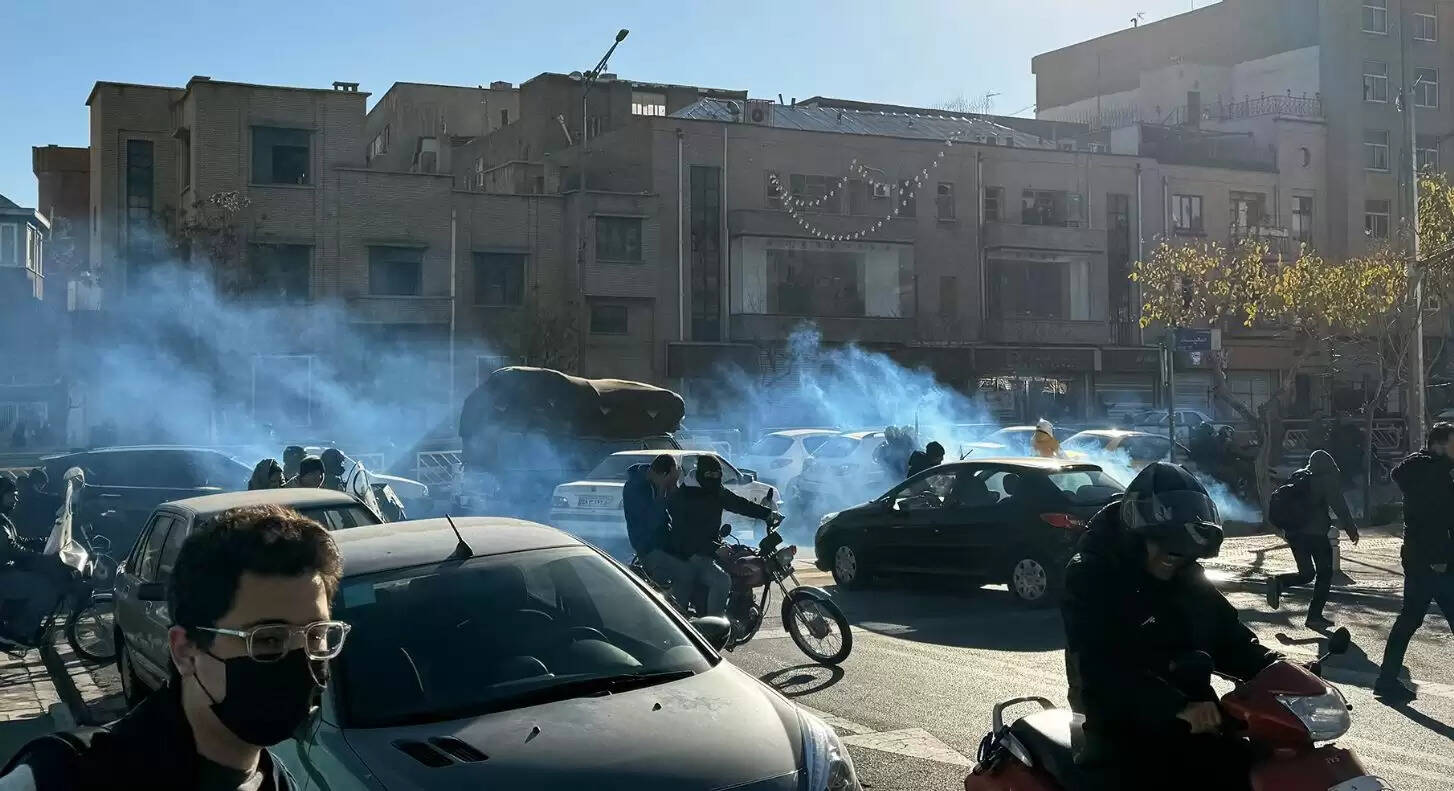
Tara and her friend were attending a protest in the central Iranian city of Isfahan when security forces arrived on motorcycles and began shouting at the crowd.
"My friend told an armed member of the security forces, 'Just don't shoot us,' and he immediately fired several shots at us. We fell to the ground. All our clothes were covered in blood," she said.
They were bundled into a stranger's car, but Tara said they were too frightened to be taken to the hospital because of the risk of being arrested. "All the alleyways were full of security forces, so I asked a couple standing at their front door to let us in."
They stayed at the couple's home until it was almost dawn and then managed to find a doctor they knew, who cleaned the birdshot wounds on their legs, according to Tara.
She said a surgeon was later able to remove some of the birdshot at home but warned them: "They cannot all be removed and will remain in your bodies."
All names in this article have been changed for their safety.
Warning: This story contains details and images which some readers might find distressing.
The full scale of the bloodshed resulting from the crackdown by security forces on the anti-government protests that swept across Iran this month is still not known because of an internet shutdown and a ban on reporting by most international news organisations.
But the US-based Human Rights Activists News Agency (HRANA) has said it has confirmed the killing of 6,301 people, including 5,925 protesters, 112 children, 50 bystanders and 214 affiliated with the government. It is also investigating reports of 17,091 more deaths.
At least another 11,000 protesters were seriously wounded, according to HRANA.
Some of them have told the BBC that they have avoided seeking treatment for their injuries at hospitals because they fear being arrested.
That has left them reliant on doctors, nurses and other volunteers willing to risk their own safety by treating them secretly at their homes.
Healthcare workers have also told the BBC that security forces are present in hospitals and that they are constantly monitoring patients' medical records to identify injured protesters.